Fars

Southern Iran · Plains and Zagros uplands

Fars

From Persepolis to the gardens of Shiraz

Image source · Wikimedia CommonsDiego Delso · CC BY-SA 4.0

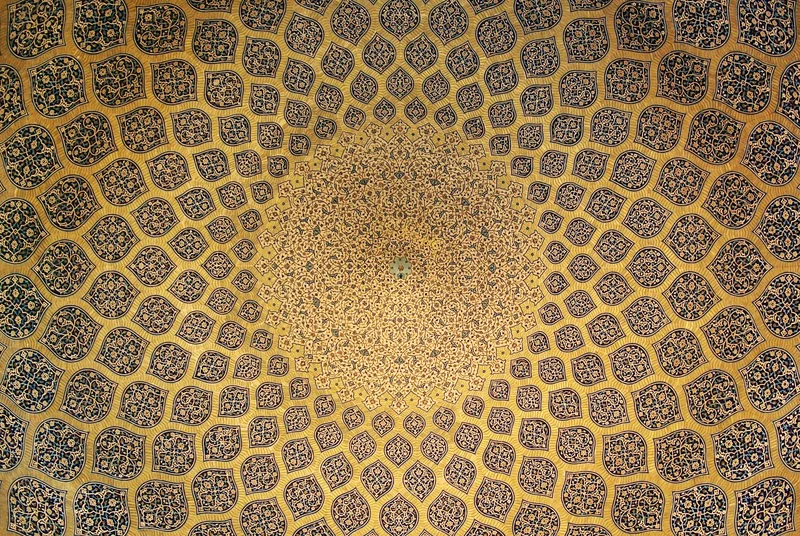
Fars connects Achaemenid centres at Pasargadae and Persepolis with Sassanian cities and monuments. Shiraz adds another layer: the tombs of Hafez and Saadi, Eram Garden and the Vakil complex place poetry and urban life alongside imperial history.

Beyond the capital, roads reach plains, gorges and cooler uplands. Tribal textiles, Khatam inlay, kalam polo and Shirazi faloodeh introduce the province through craft and food. Spring suits a journey combining archaeological sites and gardens.

Fars at a Glance

Capital
Shiraz
Region
Southern Iran · Plains and Zagros uplands
Best season
Spring
Suggested stay
3–4 days for Shiraz and nearby sites; 5–7 for the province
Best for
History · Architecture · Literature · Gardens · Food
Main access
Road

05

5 essential places

Image source · Google Drive

Persepolis

Persepolis, ceremonial capital of the Achaemenids, was begun by Darius I around 518 BCE on an immense terrace. Relief-carved stairways, the Gate of All Nations, soaring columns and royal palaces portray the empire’s diverse peoples in a unique UNESCO World Heritage ensemble.

Image source · Google Drive

Pasargadae

Pasargadae was the first capital of the Achaemenid Empire and the creation of Cyrus the Great. The austere tomb of Cyrus, palace remains and royal four-part garden reveal the earliest phase of Achaemenid court architecture and an influential prototype for the Persian garden.

Image source · Wikimedia CommonsDiego Delso, delso.photo · CC BY-SA 4.0

Tomb of Hafez

Hafezieh gathers around the poet’s tomb in a tranquil Shiraz garden. Hafez’s ghazals remain alive in Persian language and daily culture; beneath a copper dome resting on eight columns, orange trees and a tombstone inscribed with verse create an intimate place for poetry, reflection and the city’s evening life.

Image source · Google Drive

Eram Garden

Eram Garden in Shiraz is a luminous expression of the Persian garden, with ordered axes, flowing water, tall cypresses and a three-storey Qajar pavilion. Figural tiles, a columned veranda and botanical richness unite architecture and nature in a lyrical setting; the garden forms part of UNESCO’s Persian Garden property.

Image source · Wikimedia CommonsDiego Delso, delso.photo · CC BY-SA 4.0

Vakil Bazaar

Vakil Bazaar forms part of Shiraz’s Zand-period urban ensemble. High brick vaults, intersecting main lanes and specialised shops preserve the energy of a historic market that remains active today.

More about Fars

Important Cities
  • Shiraz — gardens, poetry and the Vakil complex
  • Marvdasht — access to Persepolis
  • Kazerun — access to Bishapur
  • Firuzabad — Sassanian heritage
  • Abadeh — wood carving
Food & Souvenirs

Local food

  • Kalam polo Shirazi
  • Do piazeh aloo
  • Shirazi faloodeh

Souvenirs & crafts

  • Tribal kilims and gabbeh rugs
  • Khatam inlay
  • Abadeh wood carving
Culture & Arts

Hafez and Saadi’s poetry remains central to Shiraz’s cultural identity. Qashqai ashik music and tribal weaving traditions reveal other voices within Fars, beyond the capital’s gardens and literary monuments.

UNESCO & Heritage

Selected UNESCO World Heritage properties

  • Persepolis (1979)
  • Pasargadae (2004)
  • The Persian Garden (2011) — Eram and the ancient garden of Pasargadae are inscribed components
  • Sassanid Archaeological Landscape of Fars Region (2018) — Firuzabad, Bishapur and Sarvestan
  • The Persian Caravanserai (2023) — Izadkhast caravanserai is an inscribed component

Other historic places

Hafez and Saadi’s tombs, the Vakil complex and Naqsh-e Rostam are further major heritage stops; they are not individually inscribed World Heritage properties.

Selected Universities
  • Shiraz University

Explore by interest

Explore next

Official & Further Resources