South Khorasan

Eastern Iran

South Khorasan

Desert gardens and canyon trails

Image source · Wikimedia Commons

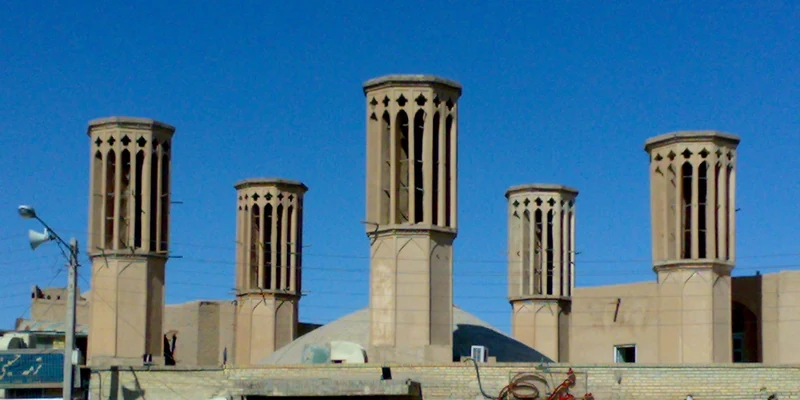
South Khorasan, in eastern Iran, is a land of dry mountains, desert plains, qanats, historic gardens and ancient villages. Saffron, barberries, jujubes, traditional weaving and architecture adapted to scarce water form part of the province’s cultural identity. The stillness of the desert and the hospitality of its people lend the region a character all its own.

Where is it?

South KhorasanCaspian SeaPersian GulfNorth

Eastern Iran

Capital
Birjand
Location in Iran
Eastern Iran
Best season
Spring & autumn
Suggested stay
2–3 days
Best for
History · Nature · Architecture

05

5 essential places

Image source · TripYar

Akbarieh Garden

Akbarieh Garden in Birjand is a historic complex dating from the late Zand and early Qajar periods. Its pavilions, green axes and flowing water adapt the principles of the Persian garden to the climate of eastern Iran. It is one of the nine Persian gardens inscribed on UNESCO’s World Heritage List.

Image source · Wikijoo

Birjand Citadel

With its white façade and hexagonal form, Kolah Farangi Citadel is one of Birjand’s architectural emblems. Dating from the late Zand and early Qajar periods, its storeys rise in stages towards a distinctive conical crown. Mud, brick, lime and traditional mortar reveal the builders’ command of architecture suited to an arid climate.

Image source · Visit Iran

Ferdows Hot Springs

Ferdows Hot Springs emerge at the foot of arid mountains and feed thermal bathing pools. The contrast between warm mineral water and South Khorasan’s desert landscape is the destination’s defining feature.

Image source · gezimanya.com

Makhunik Village

Near Sarbisheh, Makhunik is a historic village of compact lanes and small houses built partly below ground level. This form of construction responded to severe winters and the scarcity of building materials. Its architecture, way of life and local traditions offer a valuable example of human adaptation to a demanding environment.

Image source · decovel.com

Kal Jeni

Near Tabas, Kal-e Jeni is a narrow canyon of high walls and winding passages carved into the rock by water and wind erosion. Water channels and traces of human workmanship in parts of the valley testify to a long presence in this arid landscape. A visit requires preparation, a local guide and careful attention to safety.

Explore by interest

Explore next