 01
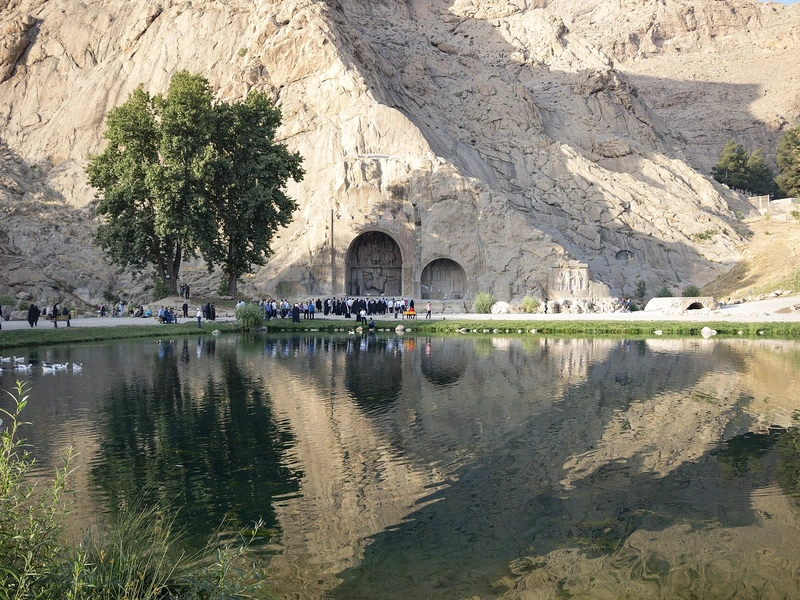
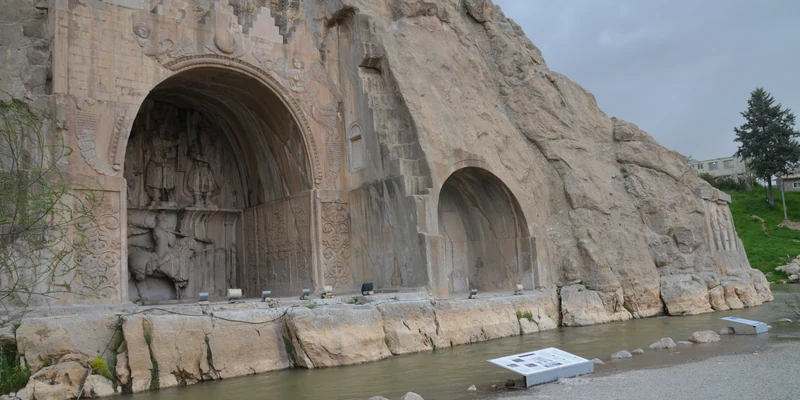
01Taq-e Bostan
Royal power is written in stone at Taq-e Bostan. Carved arches frame investiture and hunting scenes, making the site a place to study how the Sasanian court chose to present itself through images.

Western Iran · Zagros
Royal histories carved into rock
Royal accounts carved in stone provide a strong starting point in Kermanshah: Darius at Bisotun and the Sasanian court at Taq-e Bostan speak through different images. The province lies on the historic route linking the Iranian Plateau with Mesopotamia, while its bazaar and tekyehs reveal later architectural chapters.
Westward, Hawraman’s stepped villages and terraced gardens shift the focus to people shaping mountain land. Zagros springs and caves, local music and bazaar sweets extend that view into everyday life, giving a journey room to move between royal monuments and inhabited landscapes.
05
01Royal power is written in stone at Taq-e Bostan. Carved arches frame investiture and hunting scenes, making the site a place to study how the Sasanian court chose to present itself through images.
 02
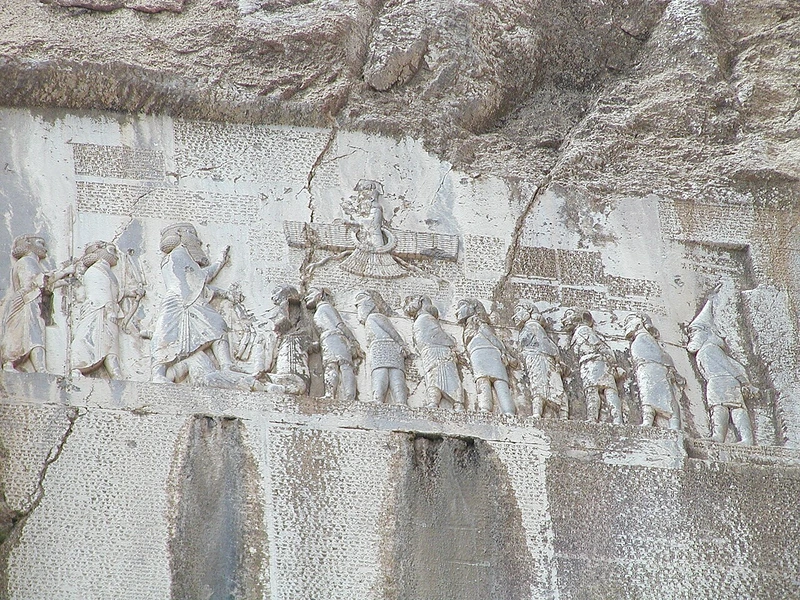
02Bisotun pairs an image of power with words in three languages. Darius I’s relief and inscription make this UNESCO World Heritage site a compelling meeting point for Achaemenid history and the study of ancient writing.
 03
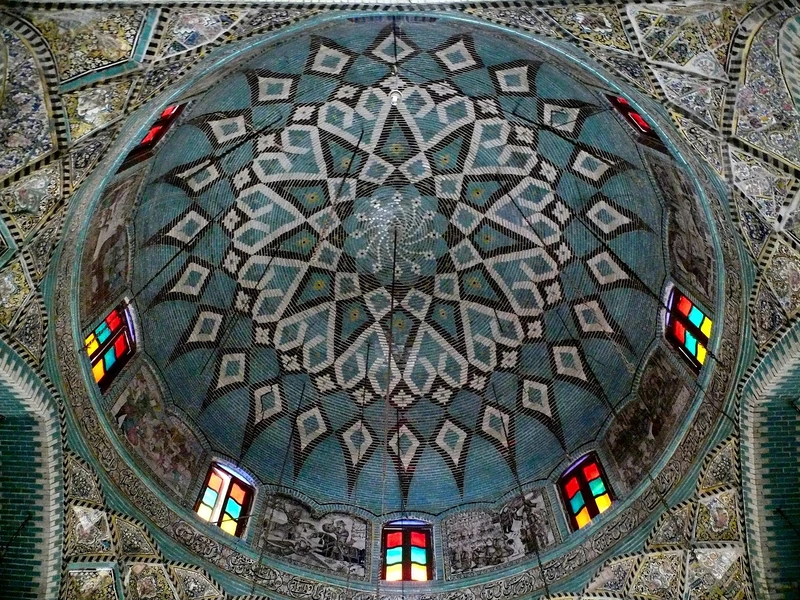
03Look closely at the tiled walls of Moaven al-Molk: religious narratives share space with Persian kings and Persepolis-inspired imagery. This Qajar ceremonial building turns decoration into a densely layered way of telling stories.
 04
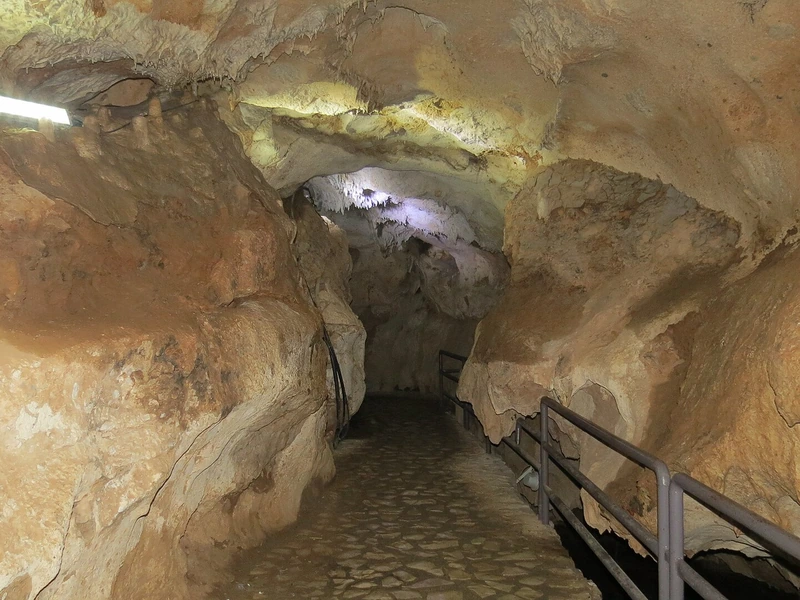
04Beneath the Zagros, Quri Qaleh changes the scale of a mountain visit. Water passages and broad limestone chambers at Mount Shahu’s foot reveal stalactites and stalagmites in a consistently cool underground setting.
Piran’s descent is best understood against the cliffs that contain it. Water drops in stages through the Rijab mountains, with orchards below making the contrast between vertical Zagros rock and cultivated ground especially clear.
Kurdish music and dance are part of Kermanshah’s cultural life. Instrument making, including the tanbur, and traditional clothing offer ways to encounter the region’s living arts alongside its bazaars.
Other historic sights include Taq-e Bostan, Moaven al-Molk Tekyeh and Anahita Temple.